In May 2025, the village of Kilongo reported a recurring steam incident originating from the MMG Kinsevere processing plant, raising health concerns among residents. We responded with both an internal investigation and direct dialogue with community representatives.
This case reflects our “Listening First” approach and shows how proactive communication and helps maintains trust with the communities around our operations.
On 17 May 2025, dense, dark steam travelled from the Kinsevere processing plant towards Kilongo village, affecting the teacher accommodation, local health centre and nearby households. The incident occurred during a scheduled maintenance period, when plant start-up required temporary fuel-oil combustion, producing denser, darker steam than the water vapour emitted during normal operations.
The community chief escalated residents’ concerns, prompting MMG to act. Although internal reviews and independent assessments by government agencies and the University of Lubumbashi had previously confirmed compliance with environmental standards, the incident required a clear and coordinated response.
We took a multi-step approach to address concerns and reinforce trust. The grievance was logged in our Borealis system for transparent tracking, and an internal review with engineering, maintenance and HSEC teams confirmed the darker steam was linked to maintenance start-up, not routine processing.
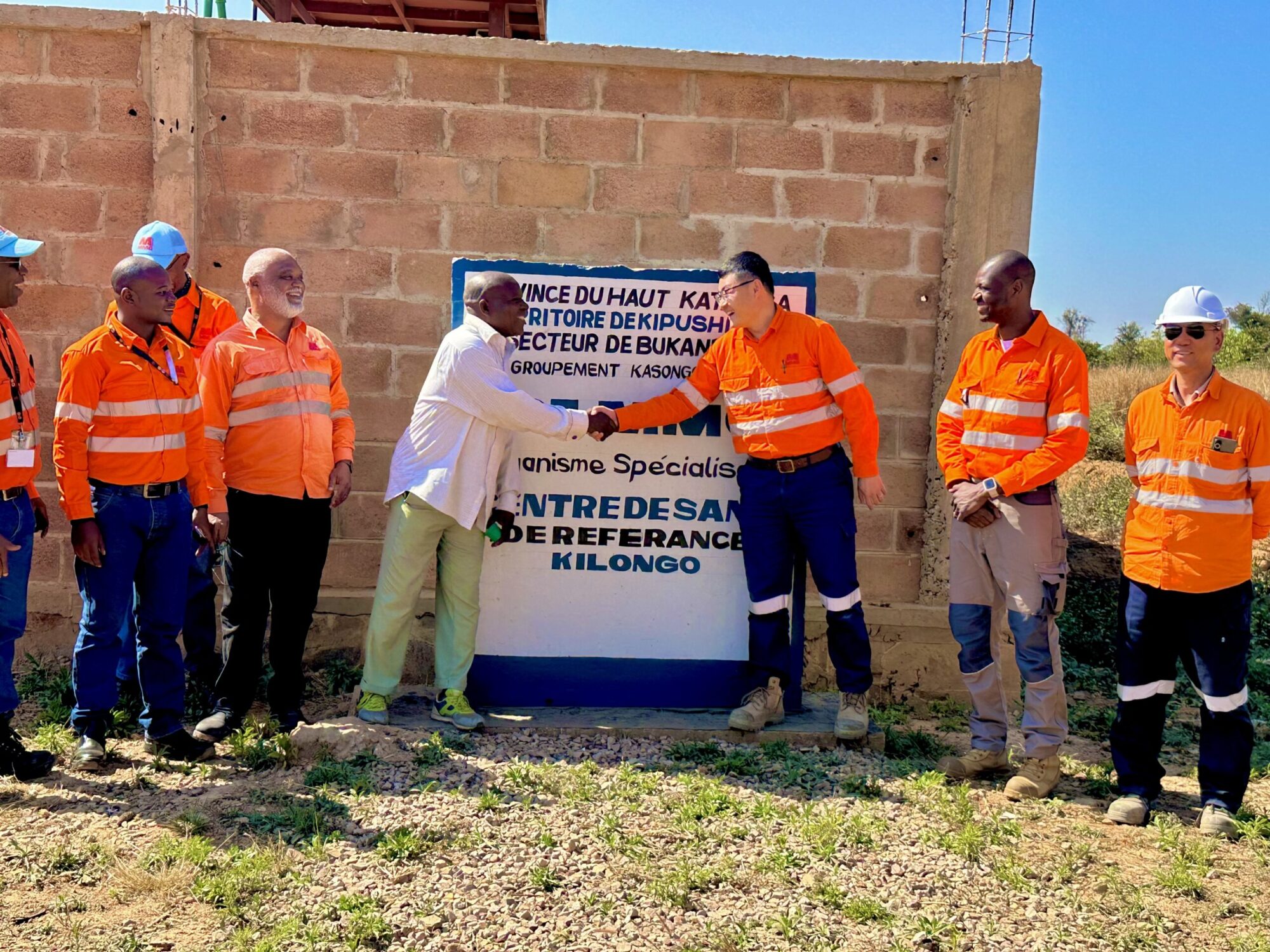
We held several meetings with Kilongo community representatives and local leaders to explain the cause of the emission and outline control measures, and deployed air-monitoring devices to verify environmental stability. Our General Manager visited Kilongo personally to brief Chief Kilongo, reaffirming that community health would never be compromised and encouraging continued reporting of any unusual emissions.
We also organised a plant visit for village chiefs, Local Development Committee members and youth representatives. Our technical teams demonstrated the emission systems, explained start-up steam, and showed the pollution controls that achieve 99% capture of PM10, SO₂ and NO₂.
The grievance was resolved within expected timeframes following a structured investigation. Air-quality monitoring confirmed no ongoing risk to health or safety, and tension eased following transparent dialogue and the on-site demonstration. Community members came away with a clearer understanding of plant operations and emission processes, and trust was strengthened through the direct engagement and the General Manager’s personal involvement. Continued internal and external audits have since verified the 99% pollutant-capture performance.