Nature
Overview
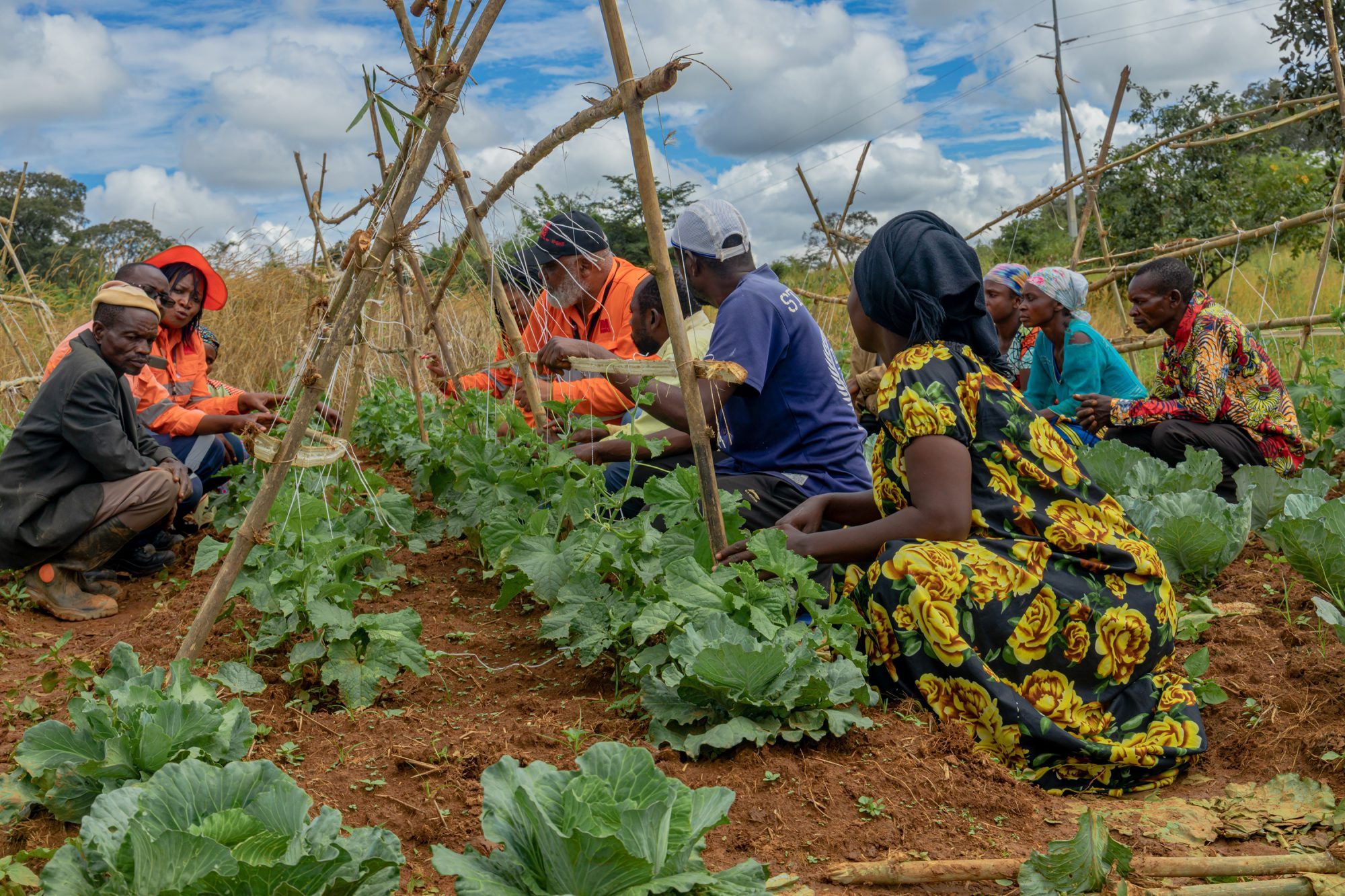
Nature underpins resilient operations and community wellbeing, by supporting water quality, soil stability, carbon storage and cultural values. MMG’s Nature Strategy embeds practical nature considerations into everyday planning, aiming to avoid impacts, minimise residual effects and restore or offset what remains across the mining life cycle.
MMG integrate a “no net loss by closure” objective into site planning and are assessing pathways to net gain in priority ecosystems. Success looks like functioning, connected habitats, improved water quality, thriving native species; and rehabilitation that supports long‑term, climate‑resilient land uses valued by our communities.
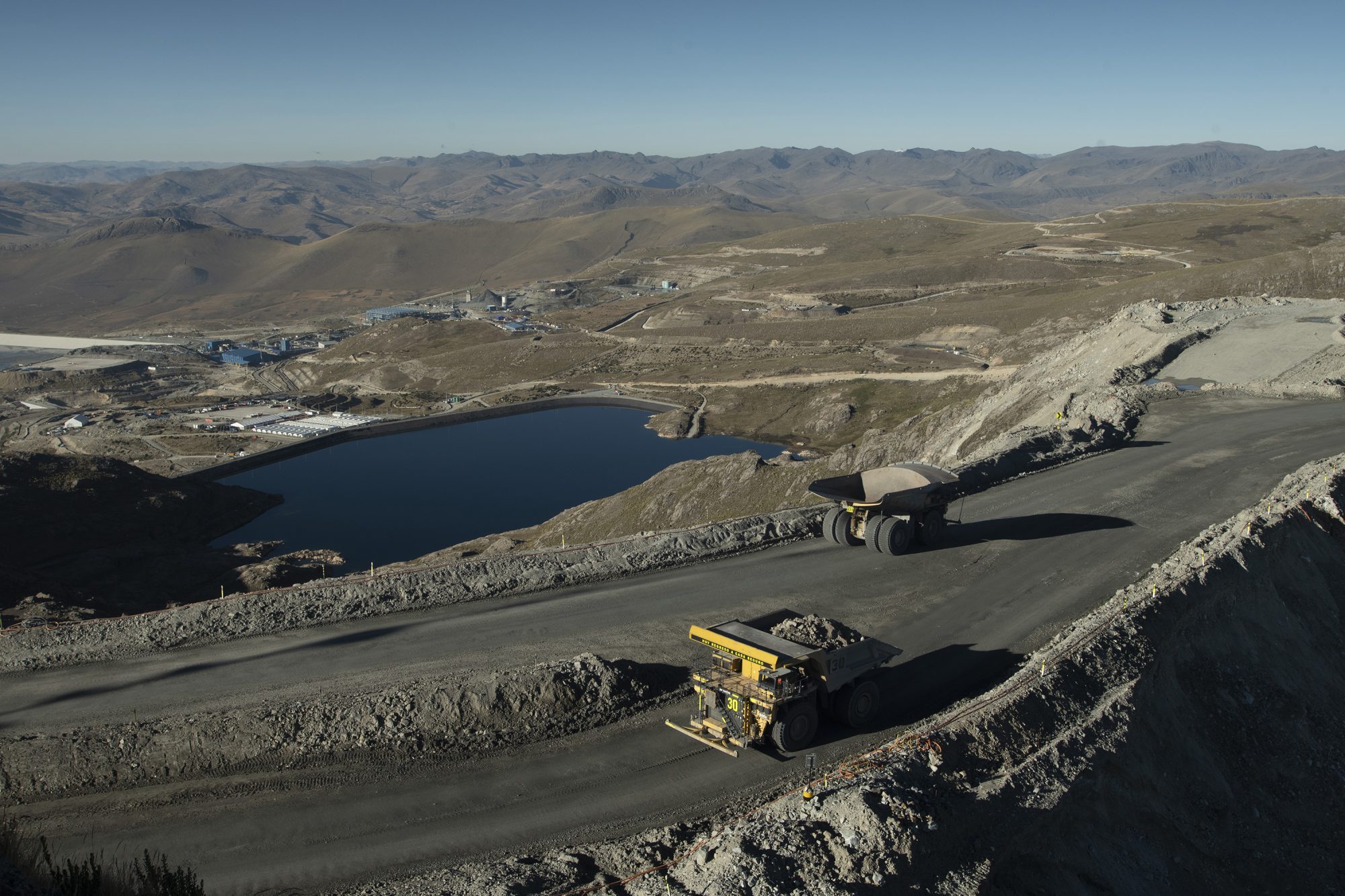
MMG map habitats, species (including threatened and endemic), watercourses, groundwater dependencies and connectivity to understand how our activities interact with nature. This includes dust on vegetation, noise affecting fauna, hydrological changes, and invasive species risk. These insights shape the controls we choose and the timing of works.
Avoidance comes first. MMG establish buffers and no‑go zones for high‑value habitats, reroute infrastructure to reduce fragmentation and sequence works to minimise disturbance. Where impacts are unavoidable, we minimise through dust suppression, erosion control and water management. We restore disturbed areas using local native species, salvaged topsoil and organic amendments and apply offsets designed with ecological experts and communities to deliver measurable conservation outcomes in priority landscapes.
MMG do not explore or mine within UNESCO World Heritage properties. Activities near protected areas are planned and executed to be compatible with conservation values and comply with applicable laws. Cultural heritage considerations are integrated into access protocols, including early engagement and survey‑led management measures with Traditional Owners.
Progressive rehabilitation stabilises soils and accelerates ecological recovery. MMG build seed banks and nurseries for local provenance species, use assisted natural regeneration where feasible, and install habitat features such as coarse woody debris, nest boxes and microtopography to support fauna. Prevention, early detection and rapid response programs help guard against invasive species and protect restoration outcomes.
MMG design drainage to reduce sedimentation, protect riparian zones and maintain environmental flows where relevant. Wetland and riparian restoration improve water quality, habitat complexity and floodplain resilience. At landscape scale, corridors and stepping‑stone habitats maintain connectivity for wildlife and gene flow.
MMG pilot drones and remote sensing for vegetation surveys, acoustic devices to track fauna, and environmental DNA to identify species presence. These tools improve efficiency and support adaptive management by refining species mixes, planting densities and erosion controls based on performance under local climate and soils.