Safety and Health
Overview
Safety is MMG’s highest priority and the foundation of the operational culture. The Company is committed to eliminating fatalities and serious injuries, reducing high-potential incidents, and fostering a proactive safety mindset across all sites. Protecting the health and wellbeing of people is equally vital and embedded in all policies, standards, and everyday practices.
Governance and culture
Safety and health governance is overseen by the Executive Committee and the Governance, Remuneration, Nomination and Sustainability Committee and guided by the Safety, Security, Health, Environment and Community (SSHEC) Policy, SSHE Performance Standard, Fatal Risk Standard, and Risk Management Standard.
MMG’s safety culture is built on four pillars:
- Leadership aligned to MMG’s values.
- Elimination of fatalities through critical control management.
- Prevention of injuries via safe task execution and hazard identification.
- Continuous learning from incidents and significant events.
Performance is reviewed regularly and integrated into executive scorecards.
Safety management
MMG takes a proactive, risk-based approach to safety, focusing on prevention through leading indicators and site-level goals. Key elements include:
- Critical control verification for fatal-risk scenarios.
- Field task observations to identify hazards and reinforce safe practices.
- Comprehensive training and inductions for employees and contractors.
- Incident and Event Management (IEM) system for reporting and learning.
Employees and contractors are empowered to stop work if safety is compromised. The Fatal Risk Standard identifies 12 critical risks, including aviation, hazardous materials, ground control, mobile equipment, and working at heights. These risks are managed through site-specific procedures and verified controls, with learnings shared across the business.
Safe task and contractor management
SSHE Performance Standards define how work is conducted safely, including task hazard analysis, permit-to-work systems, isolation protocols, and culturally appropriate training. Fatigue management and psychological safety initiatives are also embedded in the Company’s processes.
Contractors follow the same safety and health requirements as employees, including onboarding assessments, training, and inclusion in performance reviews. Contractor performance is tracked and disclosed through ESG reporting.
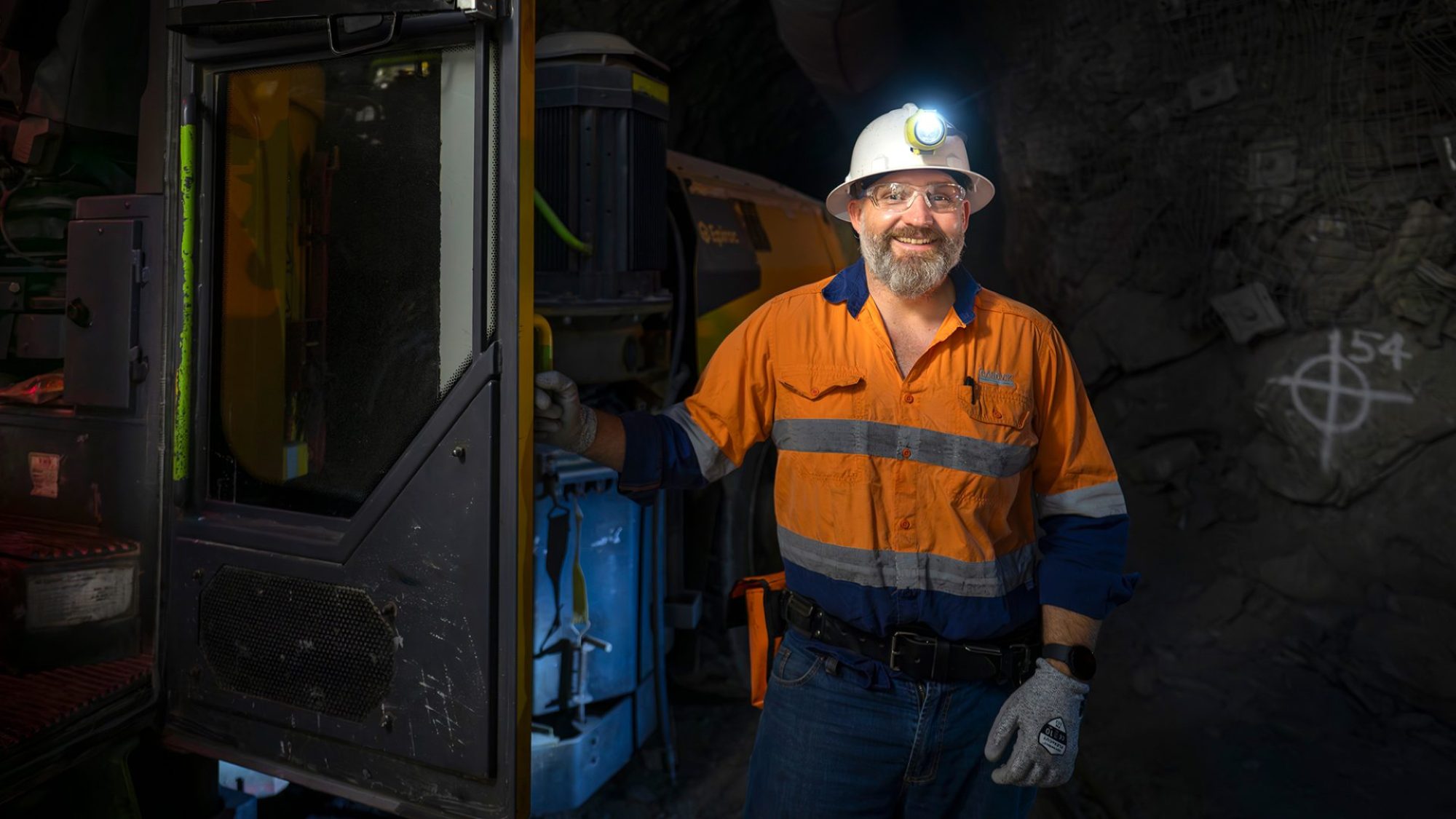
Emergency preparedness and security
Each site maintains an Emergency Management Plan with regular drills and engagement with local stakeholders. Escalated events activate the Crisis Management Team, supported by the Executive Committee.
Security management aligns with the Voluntary Principles on Security and Human Rights and the International Code of Conduct Association for Private Security Providers. All contracted security providers must comply with these frameworks.
Health and wellbeing
Protecting health is as vital as ensuring physical safety. MMG manage occupational health risks through exposure monitoring, hygiene controls, and health surveillance programs. The Mental Health Framework provides awareness campaigns, resilience training, and access to 24/7 Employee Assistance Program services. Fit-for-work protocols, fatigue management, and rehabilitation programs support safe and sustainable work practices.
MMG identify and manage health risks using internationally recognised standards and Occupational Exposure Limits (OELs). Controls include dust suppression, enclosed cabins, ventilation systems, and strict hygiene protocols for hazardous substances. At sites such as Rosebery and Dugald River, compliance with national standards for lead exposure are upheld, supported by ongoing monitoring and adaptive work practices.
MMG maintain exposure management plans for endemic diseases such as HIV/AIDS, malaria, and tuberculosis, with on-site medical support at higher-risk locations.
Mental health and fit-for-work
Company acknowledges the challenges of remote and site-based work and prioritises psychological wellbeing. The Mental Health Framework includes:
- Awareness and prevention campaigns.
- Resilience training and wellbeing resources.
- Access to Employee Assistance Program services, including 24/7 counselling, wellbeing coaching, legal and financial advice, and family support.
Mental health is integrated into a broader safety mindset and leadership behaviours, ensuring both physical and psychological wellbeing are addressed.
Fit-for-work protocols include fatigue monitoring technology, random drug and alcohol testing, and self-reporting mechanisms for health changes. Injury management programs support early and safe return to work through rehabilitation plans, suitable duties, and medical case management.
Community health
Beyond operations, MMG works closely with governments and host communities to ensure the delivery of high-quality health services, aligned and in partnership with those being offered by the national and regional governments. MMG mine sites support host-community health through local partnerships, clinics, health impact assessments for new projects, and disease-prevention initiatives.