Climate Change and Decarbonisation
Overview
Climate change is one of the biggest challenges facing our industry and the communities where we operate. MMG are committed to reducing greenhouse gas emissions and building resilience across operations. Our approach is practical, collaborative, and focused on creating long-term benefits for people and the environment.
Climate change affects everything—from how we mine and move materials to how we support our host communities. Extreme weather events, changing water availability, and evolving regulations all influence the way we plan and operate. Acting now means we can protect our business, safeguard our people, and contribute to a global transition to a low-carbon economy.
Following a comprehensive refresh of our Climate Strategy in 2025, we are working towards carbon neutrality in Scope 1 and 2 emissions by 2040, with an interim target to reduce absolute Scope 1 and 2 emissions by 35% by 2035, from a revised 2025 baseline. In parallel, we collaborate with suppliers and customers to identify and reduce material Scope 3 sources – procurement, logistics, waste and processing of sold product – recognising the influence of the broader value chain.
Efficiency remains the quickest, most cost‑effective lever. We implement process optimisation, real‑time energy management and equipment upgrades across our sites to cut energy intensity and fugitive emissions. This includes through variable speed drives, high‑efficiency motors, ventilation‑on‑demand and advanced plant controls. Where feasible, we electrify mining fleets and deploy charging infrastructure. Electric equipment lowers diesel combustion, reduces particulate matter and heat loads, and contributes to quieter operations. We also expand renewable energy procurement and on‑site generation using solar, wind and hybrid microgrids with storage solutions appropriate to local conditions.
MMG design for extremes. Climate risk assessments inform flood and drought planning, stormwater and tailings resilience, and road and transport decisions. In high‑heat environments we apply heat stress management, cooling shelters, hydration protocols and shift scheduling adjustments to safeguard teams. Supply chain contingency planning supports critical materials and logistics through periods of disruption.
Meaningful Scope 3 progress requires partnerships. MMG engage suppliers on lower‑carbon materials, packaging redesign and fuel efficiency; explore routing and mode shifts (including rail where viable) with logistics partners; and work with customers to enable lower‑carbon processing of sold products. The aim is practical joint action aligned to our climate pathway and the needs of host regions.
MMG trial emerging solutions, including hydrogen‑ready equipment, next‑generation batteries, AI‑driven energy optimisation, high‑efficiency grinding, demand response and microgrid controllers, to unlock step‑change improvements. Digital twins of plant and power systems will help simulate decarbonisation pathways and de‑risk decisions before implementation.
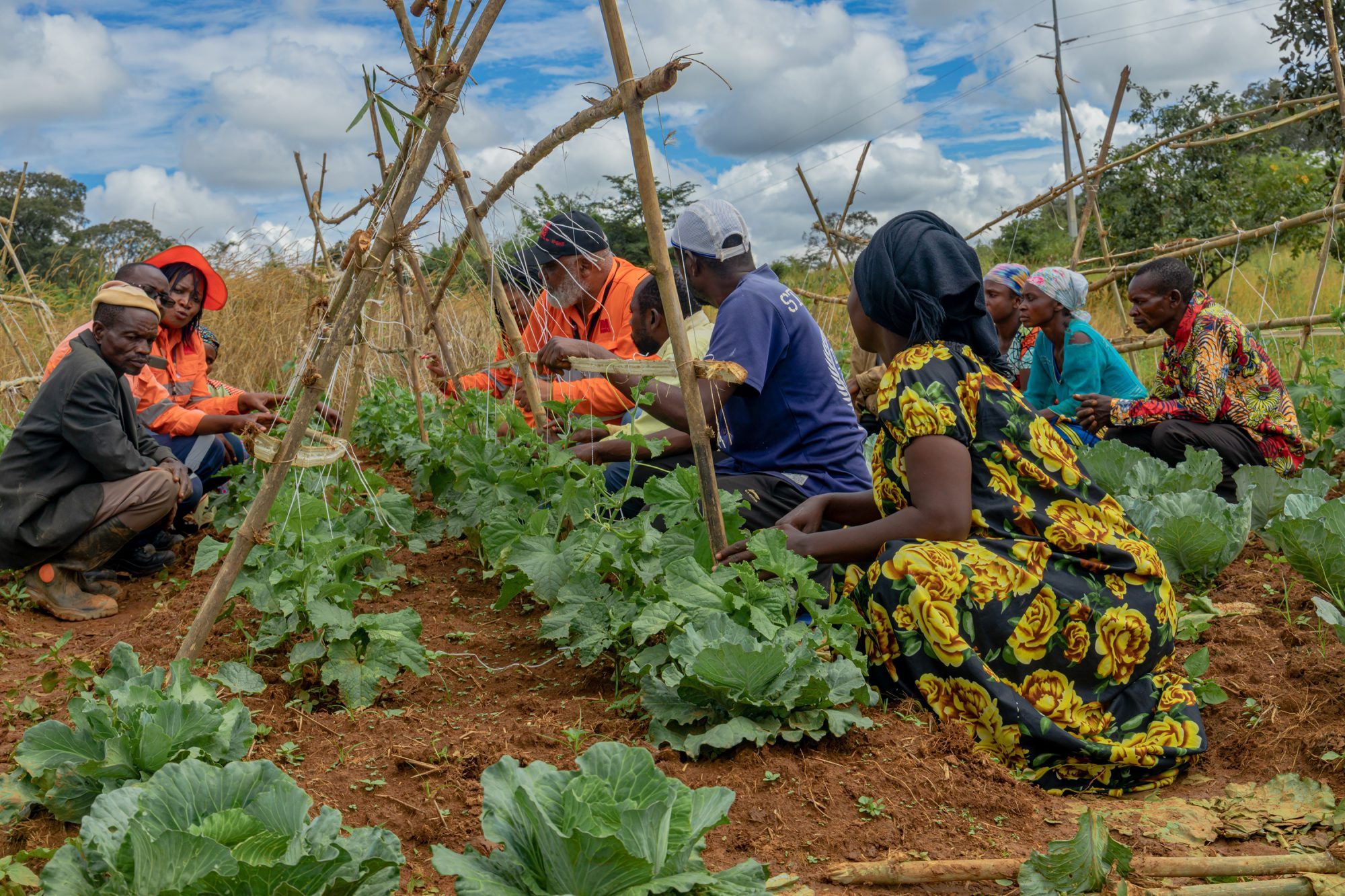
Climate action is practical and people‑centred. MMG train teams on energy efficiency, electrification, and adaptation practices and integrate climate considerations into contractor onboarding. With host communities we co‑design measures such as water management, dust suppression on shared roads and emergency preparedness. The intent is to deliver co‑benefits, specifically safer operations, improved air quality, reduced costs and stronger local capacity, all the while advancing a low‑carbon future.